



Everyone has a friend who's known for smelling elite. You catch a whiff of their aroma before you even see them walk into the room, and somehow it just fits. That's not luck. That's a signature scent doing its job.
Learning how to choose a signature scent for yourself isn't about picking whatever smells good on the shelf. It's about narrowing down what actually smells like you, on your skin and in your life. This guide walks through what a signature scent really is, how to break down the notes, and how to test smart instead of overwhelming yourself in the fragrance aisle.
What Is a Signature Scent (and Why Have One)?
A signature scent is the fragrance people associate with you specifically. It's consistent enough that a friend could pick your hoodie out of a pile just by smelling it.
Having one isn't about limiting yourself to a single bottle forever. It's about having a go-to that feels like an extension of your identity, something you reach for without thinking twice because you already know it works. Once you land on it, getting dressed gets easier. Scent stops being an afterthought and starts being part of how you show up.
Know the Fragrance Families & Notes
A fragrance is made up of top, heart (middle), and base notes. Top notes, like zesty citrus, hit first and fade fastest. Heart notes, think vibrant florals and cozy spices, are a fragrance's core.
They take over once the top notes settle, creating dimension. Base notes, like syrupy resins and rich woods, anchor a fragrance and stick around the longest1, creating a noticeable skin scent in the deep drydown.
Understanding this fragrance note pyramid will make shopping for a signature feel a lot less random. Prefer the refreshing splash of a citrus-dominant fragrance? How about the calming effect of aromatics? You'll start recognizing patterns in what you gravitate toward.
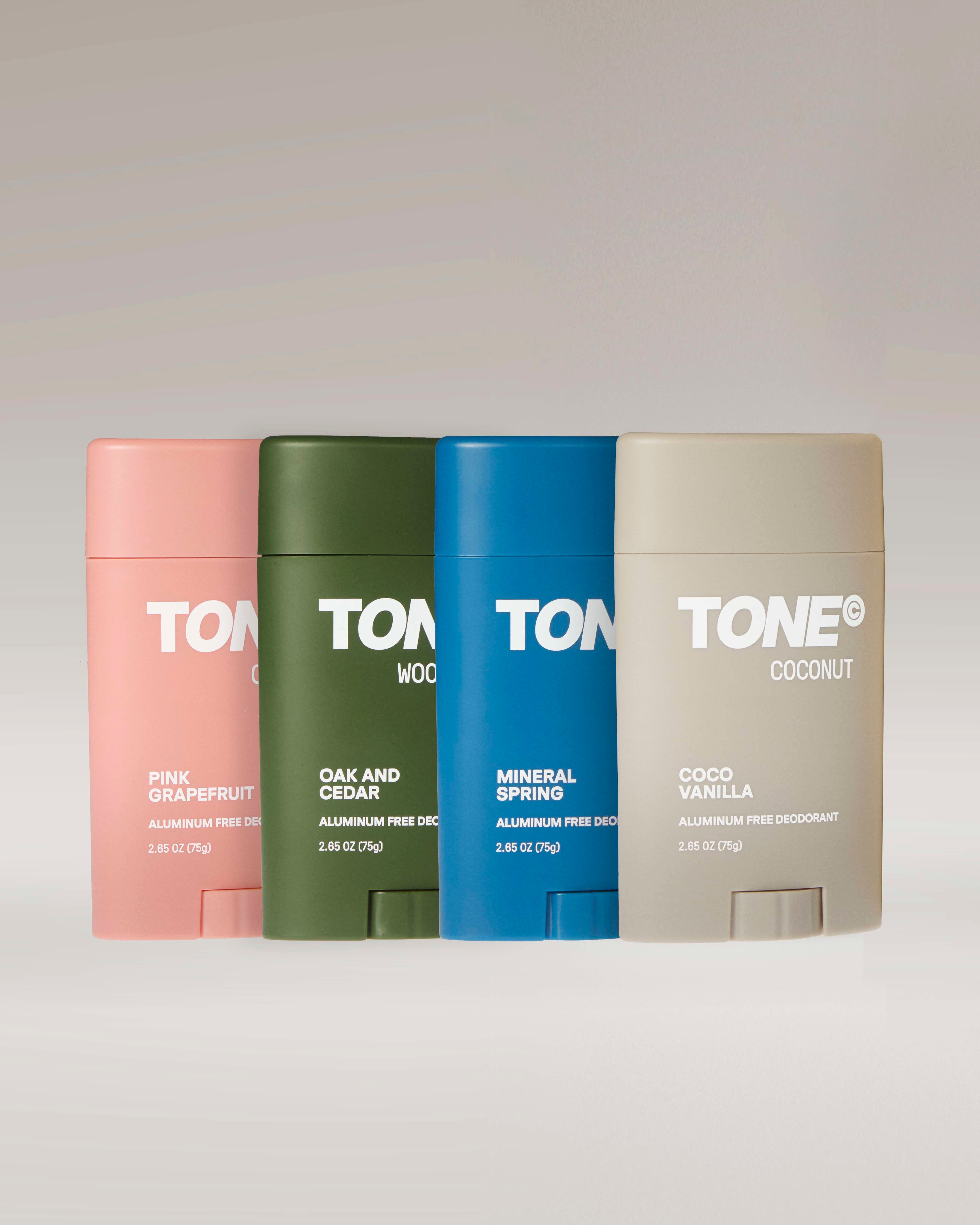
TONE's Shop-By-Scent collections group fragrances by feel, instead of forcing you to decode a wall of bottles.
- Fresh: clean and almost mineral
- Citrus: tangy and crisp with a slight bitter kick
- Woodland: grounded cedar and oak, warm with a touch of smoke
- Eucalyptus: sharp, cooling, and minty
- Vanilla: warm, sweet, and a little smoky
- Coconut: sweet and milky with fruity, floral, gourmand, and earthy notes
- Island Breeze: rich vanilla bean and nutty pistachio
Not sure what a specific note actually smells like? TONE's scent glossary breaks down individual notes, like bergamot and cedarwood, so you know what you're getting before you commit.
Match a Scent to Your Vibe & Lifestyle
Choosing a signature scent for yourself comes down to being honest about how you actually live, not just what smells nice on a random Tuesday. A gym bag scent and a going-out scent are asking two different things of you. Ultimately, the goal is to find the middle ground. You want a signature scent that is non-intrusive, but still manages to turn heads.
Start by naming the vibe you're chasing. Clean and understated? Bold enough that people notice? Warm and cozy versus sharp and energizing? If you're stuck, running a search for an online fragrance quiz can help point you toward a fragrance family before you start testing in person.
It's also worth looking into smellmaxxing, the whole approach of treating scent as a real part of your daily routine instead of something you remember on your way out the door.
How to Test Fragrances the Right Way
Skin chemistry changes everything. A fragrance can smell completely different on you than it does on your clothing or a paper test card, because body heat and your skin's pH shift how the notes develop2. That's why the paper card is just a starting point.
Test smart:
- Spray it on skin, not just paper or clothing. A paper strip or fabric gives you a rough idea, but only your skin shows you the real thing3.
- Stop at a few scents per session. Your nose gets fatigued fast; after that point, everything starts to smell the same.
- Give it time. Roughly the first 10 minutes are just the top notes. Wait a few hours before deciding if a scent is actually a keeper, since it can shift a lot as it settles in.
- Reset your nose if you need to by smelling unperfumed areas of your skin.
Building a Small Scent Wardrobe
You don't need a shelf full of bottles to have a signature scent. Most people do better with two to four go-tos that work for different situations. That might mean something light for everyday wear, something warmer for nights out, something subtle for the gym, or a scent that fits the season.
This is exactly the approach TONE's guide to building a scent wardrobe walks through in more detail, including how to layer scents so your combo feels unique. Pair it with the tips on how to smell good all day, and you've got a routine that actually holds up from morning to night.
Ready to build yours? Shop TONE's full Shop-By-Scent lineup and start with the collection that matches your everyday vibe.
FAQ
What is a signature scent?
A signature scent is the fragrance that becomes associated with you specifically, worn consistently enough that people connect it to your presence. It's less about owning one bottle forever and more about having a go-to that feels like it fits your identity.
How do I choose a signature scent that suits me?
Start with how you want to feel, not just what smells good on a test strip. Think about your daily routine, the settings you're usually in, and whether you lean toward fresh and clean or warm and bold. Test a few options on your skin, not paper, and give each one a few hours before deciding. Your lifestyle should shape the pick more than trends do.
How many fragrances should you own?
There's no fixed number, but two to four well-chosen scents usually cover more ground than a dozen bottles you barely touch. A daily option, something warmer for evenings, and a subtle pick for workouts is a solid starting lineup. You can always add more once you know what actually works for you.
Should your signature scent change with the seasons?
It can, and a lot of people prefer it that way. Lighter, brighter scents tend to feel better in warm weather, while richer, warmer notes often suit colder months. Your signature doesn't have to be one fragrance year-round. Treating it as a small rotation still counts, as long as you're consistent within each season.
How do you properly test a fragrance before buying?
Spray it on your skin, not just a paper card or your clothes, since your skin's chemistry changes how a scent actually develops. Limit yourself to three or four scents per session so your nose doesn't get fatigued. Then wait a few hours before deciding. What you smell in the first 10 minutes is only the top notes, not the full picture.
How do you make a scent last so it becomes "yours"?
Consistency does most of the work. Wearing the same fragrance regularly and applying it correctly is what makes it start to register as your scent to the people around you. For specifics on where to spray and how to layer products for longer wear, check out TONE's guide on how to make your scent last all day.
Sources
- (27 September 2021). 6 Steps to Finding Your Signature Scent. Unfinished Man. Retrieved July 27, 2026, from https://www.unfinishedman.com/6-steps-to-finding-your-signature-scent/
- Carter, C. (25 September 2025). Discover the Luxury Fragrances That Match Your Body Chemistry. Forbes. Retrieved July 27, 2026, from https://www.forbes.com/sites/coreincarter/2025/09/25/discover-the-luxury-fragrances-that-match-your-body-chemistry/
- Kilikita, J. (1 April 2025). I Asked Perfume Experts To Help Me Find My "Signature Scent" & Learnt So Much. Refinery29. Retrieved July 27, 2026, from https://www.refinery29.com/en-us/how-to-find-signature-scent-fragrance
